


Ten common shipping container modifications, from personnel doors and windows to insulation, roller shutters and cladding, with the structural and practical cost of each.
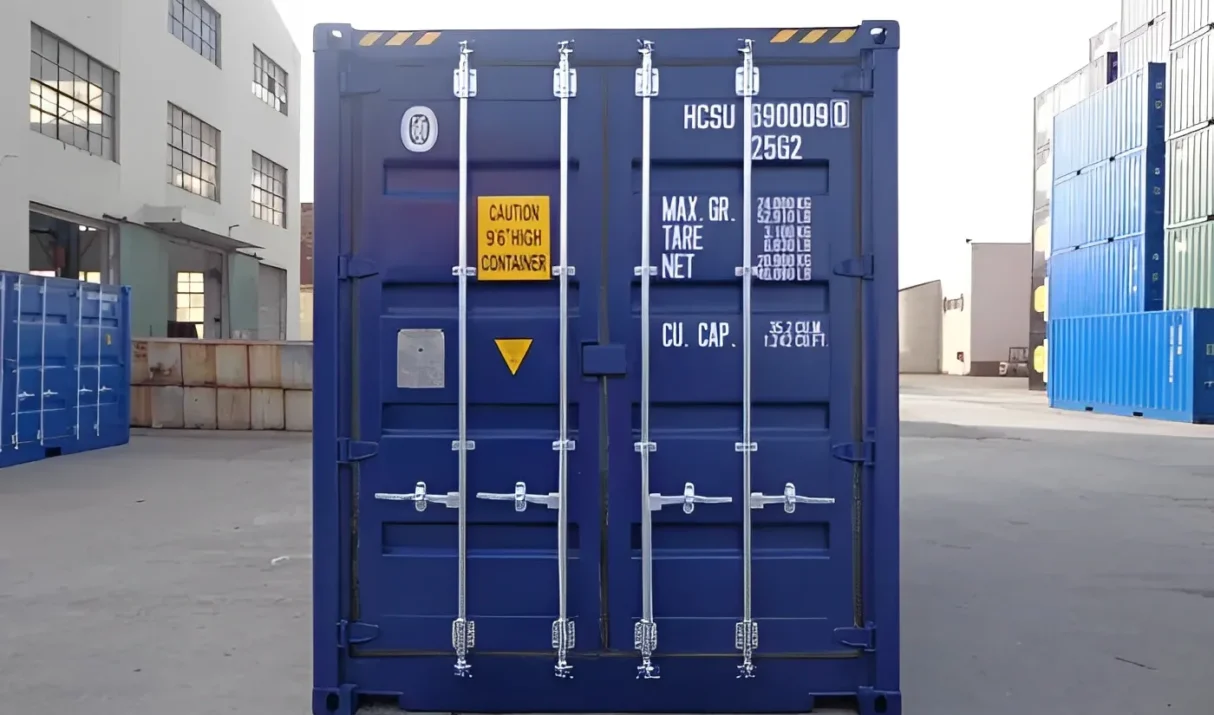
Full internal and external dimensions for 10ft, 20ft, 40ft and high cube containers, plus door openings, tare weights, cubic capacity and a worked pallet loading example.

How container delivery actually works: tilt bed, crane and low loader vehicles, what each needs from your site, what happens during the offload, and why deliveries fail.
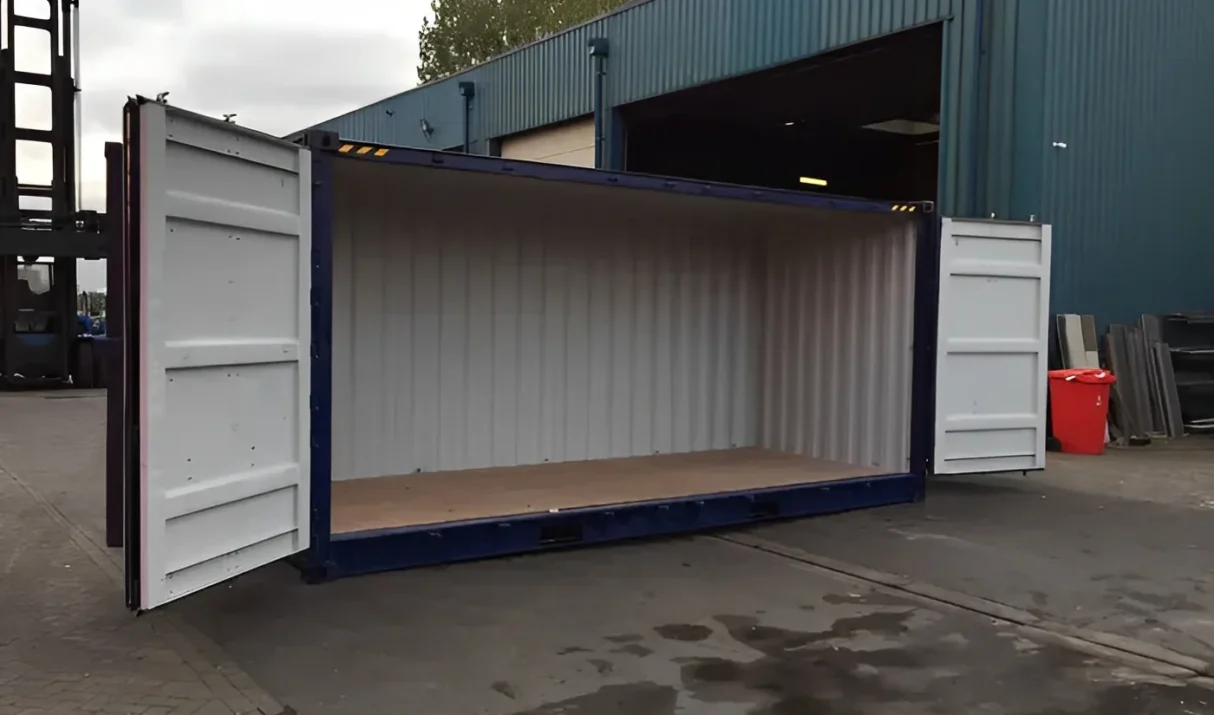
A high cube gives you 300mm more internal height and a taller door opening. That extra foot decides whether an insulated fit-out feels like a room and whether your pallets stack two high. It also changes what a delivery lorry can get under.
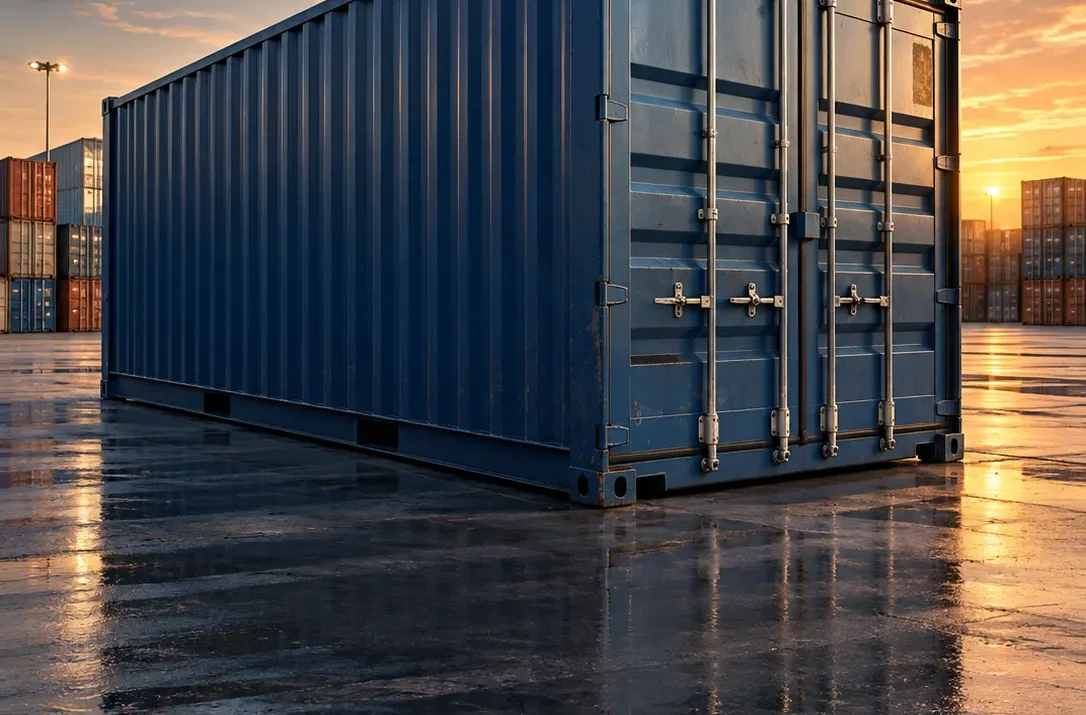
New shipping containers are not unused, and grading terms like cargo worthy are not standardised between suppliers. Here is what you are really buying at each grade, and when paying for new is worth it.
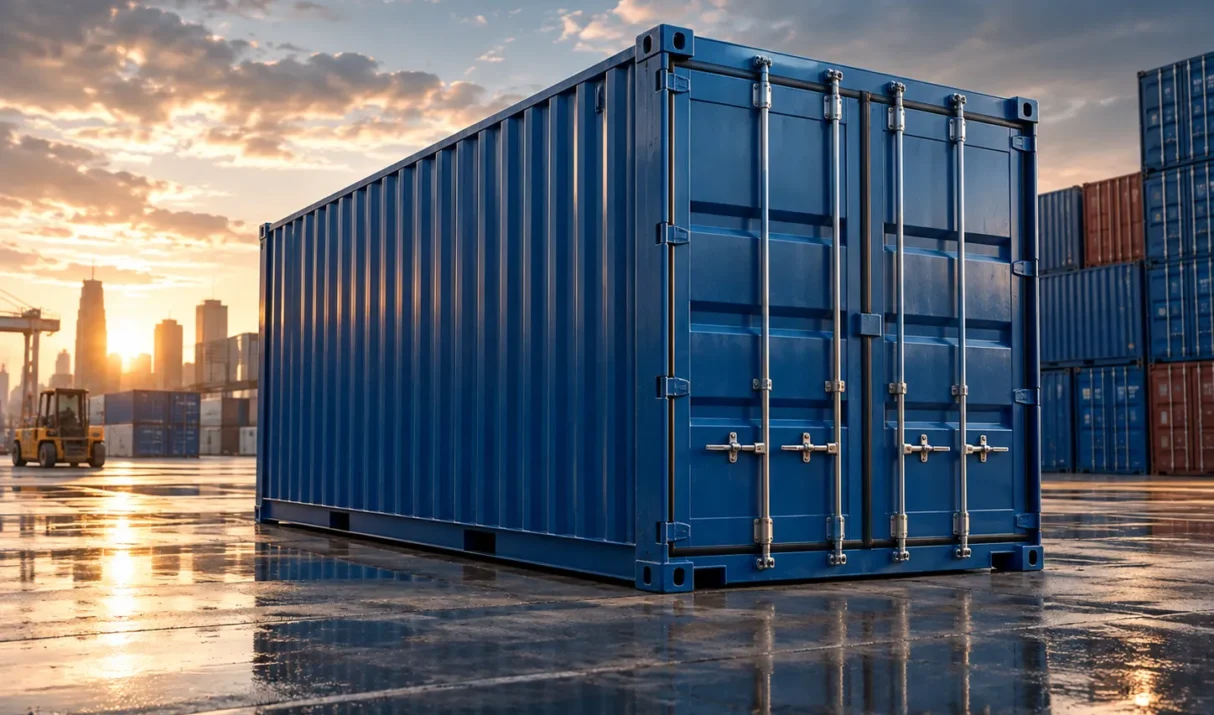
A 40ft container gives you double the floor area for around 80 percent more money, so on paper it wins. Access, door reach and resale often say otherwise. Here is how to work out which size your site can actually take.
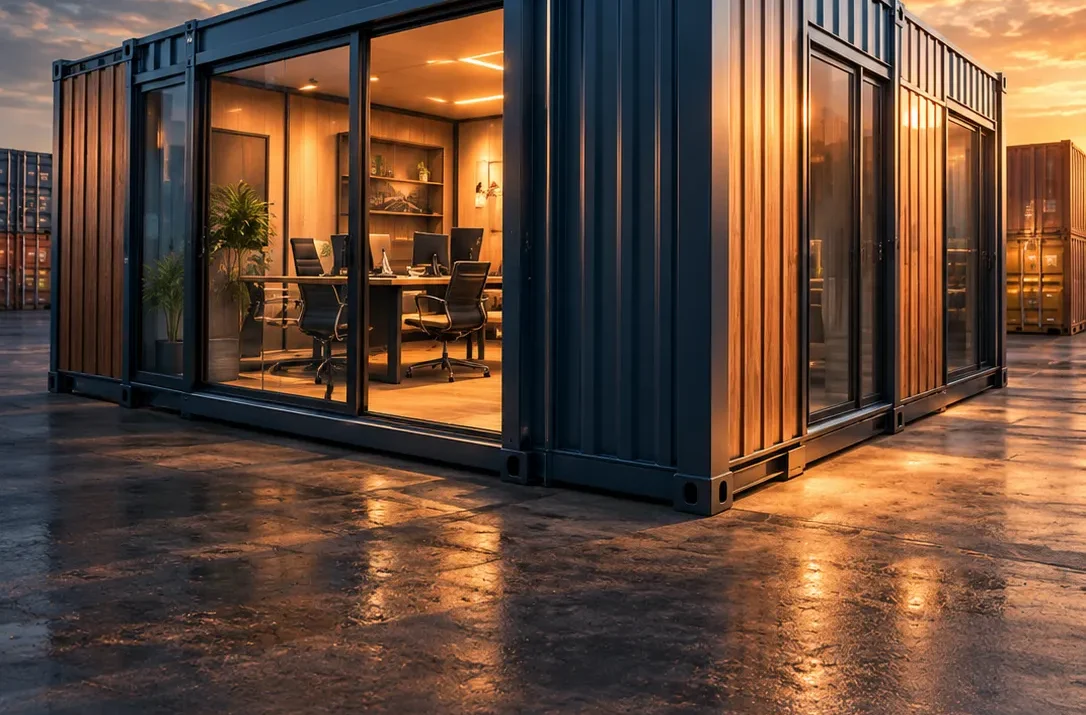
What a shipping container really costs in Europe in 2026, why the same box carries three different prices, and the four costs that land after the sticker price.
Buying a container is not complicated, but it is unfamiliar. That combination produces a predictable set of mistakes.

The two overlap enough to be confusing and differ enough that picking wrong costs you money or usefulness. Here is the line between them.